Unrivaled Efficiency
Reduce your ecological footprint with

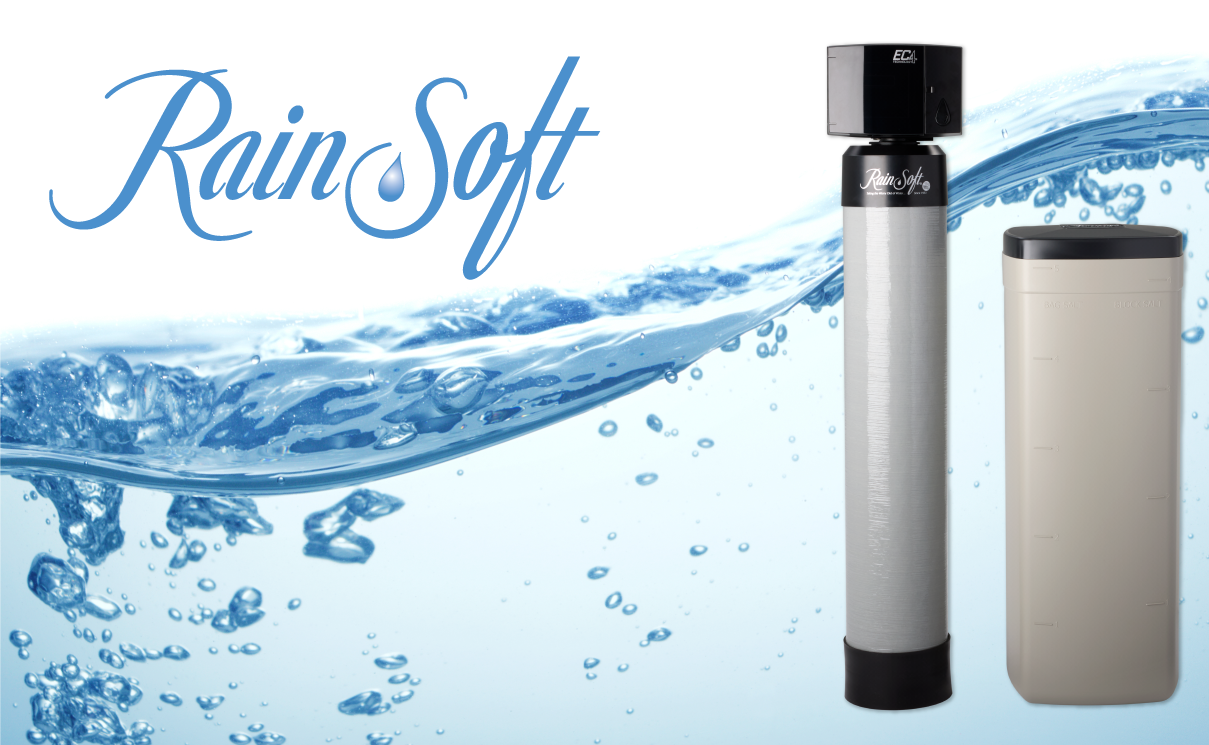
RainSoft products are built to last and provide years of better tasting water for you and your family.
The Truth Is...
Even if you think you know what’s in your water, an expert water quality analysis is necessary to determine the ideal solution to your specific water woes.
For example, a water softener is the best way to address hard water, but you’ll need a water test to determine the level of hardness in your water so you can choose an effective solution.
Fortunately, RainSoft offers complimentary in-home water testing for homeowners who wish to find out precisely what’s in their water and what they can do to make it better.
How We Can Help
From protecting appliances and reducing mineral buildup to providing cleaner drinking water and a more comfortable daily experience, better water delivers benefits you can see, feel, and trust.
Better Water Better Life
Who We Are
Since 1984, CCW RainSoft has helped Southwest Florida homeowners enjoy cleaner, higher-quality water through customized treatment solutions and exceptional local service. As an authorized RainSoft dealer, we combine industry-leading technology with decades of trusted expertise.
Why Trust CCW RainSoft for Clean Water?
With over four decades of experience, Charlotte County Water RainSoft is the trusted local choice for cleaner water, professional service, and customized solutions that protect your home and family.
The more you know
Maximum Contaminant Level Goals vs. Maximum Contaminant Levels
The environment has changed a lot in the last fifty years. Manufacturing and agricultural activities, along with our growing population, add an enormous amount of potentially hazardous materials to our environment.
As a result, the U.S. Environmental Agency (EPA) and others have detected more than 700 different organic compounds in treated drinking-water supplies.
Water coming from public systems is tested regularly and must meet standards set by the EPA.
The first standard—the Maximum Contaminant Level Goal (MCLG)—is not enforceable. MCLGs are set at zero for contaminants that are known to be probable human carcinogens. For noncarcinogens, MCLGs are set at a level that includes a margin of safety so as to prevent adverse health effects.
The second standard—the Maximum Contaminant Level (MCL)— is enforceable. MCLs are set as close to the MCLGs as possible, taking into account the technological and economic limitations of the public water supplier.